Across Africa, the conversation around sustainability is shifting, from survival to opportunity. That shift was clearly on display at Africa’s Green Economy Summit (AGES), held in Cape Town, where climate innovation, private sector investment and nature-based solutions took centre stage.
From mangrove restoration projects in East Africa to regenerative farming and carbon markets, the summit highlighted a powerful truth: Africa is not short of solutions. What’s needed is support, investment and inclusion.
One of the standout stories came from Kenya-based organisation Vlinder, which is restoring mangrove ecosystems to fight climate change while creating sustainable livelihoods for local communities. Their ambitious project aims to plant 4.2 million mangrove trees, capturing nearly one million tonnes of carbon over 30 years. Mangroves are among the planet’s most effective natural carbon sinks, storing significantly more carbon than most forests while protecting coastlines and biodiversity.
AGES brought together nearly 60 investment-ready green projects seeking funding, alongside major institutions, development banks and private sector leaders. Yet a recurring theme echoed through the sessions: Africa still receives less than 4 percent of global climate finance, and only a small fraction of that comes from the private sector.
Experts agreed that perceived risk, lack of accessible data and limited pipelines of bankable projects continue to slow progress. But there was also optimism. Leaders from finance, development and government stressed that the global focus on climate action presents a rare opportunity for Africa to leapfrog into a resilient, inclusive green economy.
Another powerful message from the summit was the need for inclusion. Women-led initiatives, community-driven projects and sustainable agriculture models demonstrated that a green transition cannot succeed if it only benefits a few. From regenerative farming in South Africa to net-zero fish farming in Mozambique, real-world examples showed that climate action can also create jobs, improve food systems and strengthen communities.
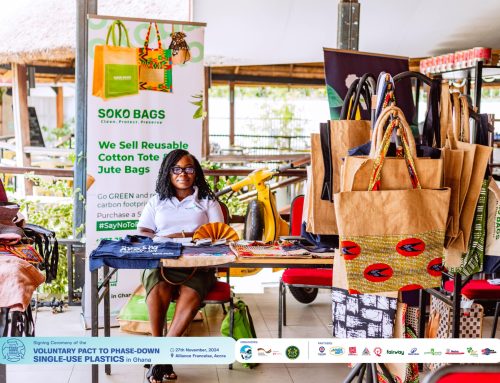
At Soko Bags, this conversation matters deeply to us. Sustainability is not just about large-scale summits or billion-dollar investments, it’s about everyday choices aligning with a bigger vision. Choosing reusable products, supporting ethical businesses, and valuing nature as part of our economy are all steps toward the future AGES imagines.
Africa’s green economy is already taking shape. With the right support, data, investment and collective action, it can grow into something that works for people, planet and prosperity, together.

Leave A Comment