
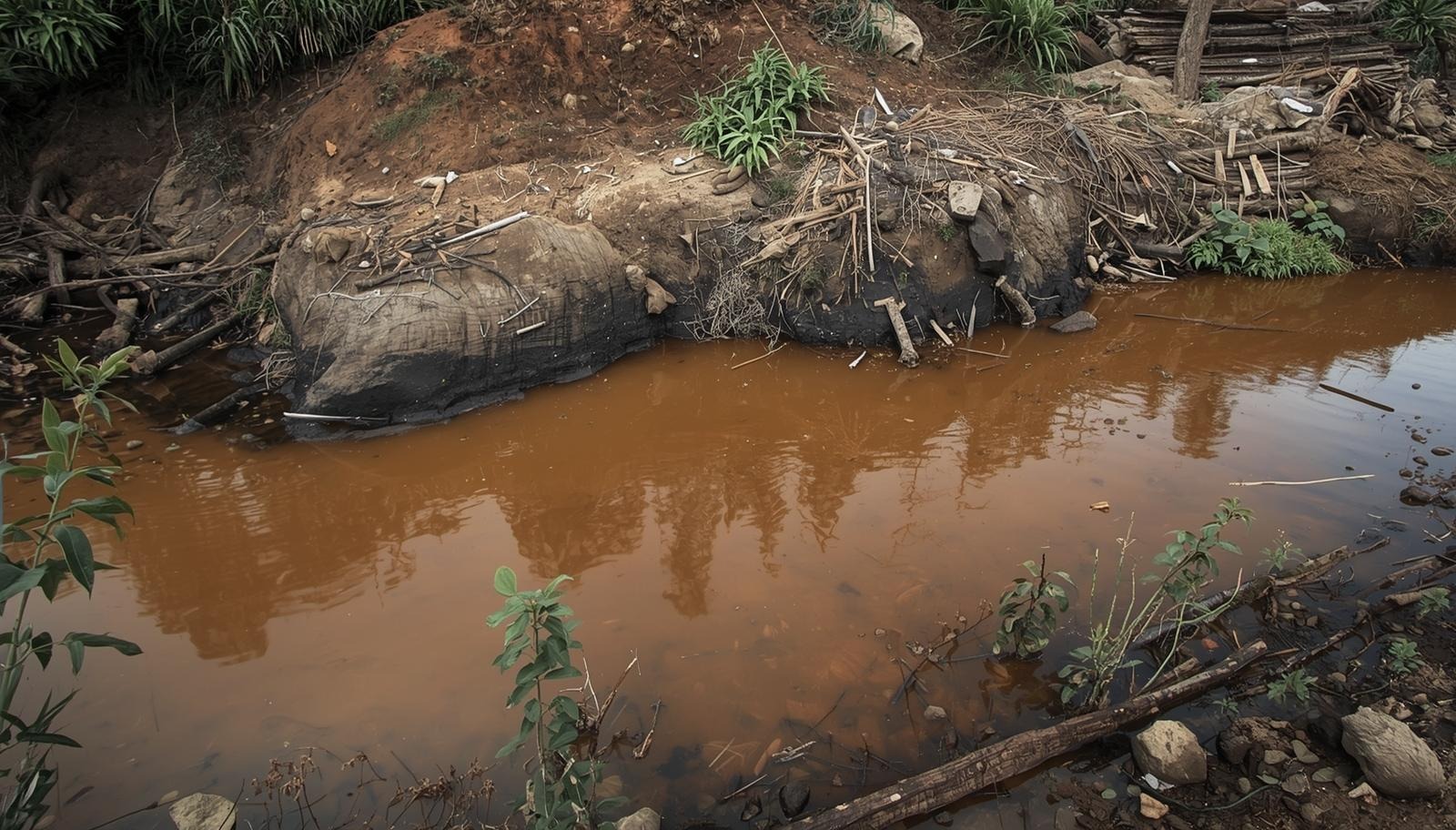
In January 2026, the conversation around galamsey returned to the spotlight once again — this time with a clear message: people need to see real change to believe progress is happening.
International corporate lawyer and entrepreneur Victoria Bright put it plainly. According to her, the fight against illegal mining cannot be judged by promises or announcements alone. It must be measured by visible environmental recovery — especially the state of Ghana’s rivers.
As long as rivers remain brown and polluted, public confidence in the galamsey fight will remain low. Clean, flowing water is more than a symbol; it is proof that action is working.
For years, illegal mining has damaged water bodies, destroyed farmlands and disrupted livelihoods across Ghana. Communities that once depended on rivers for drinking water, fishing and farming now face health risks and economic uncertainty. Despite repeated assurances from different governments, many Ghanaians feel the impact of galamsey is still very much present in daily life.
Victoria Bright’s call is not just about stricter enforcement. It is about restoring trust. When people see rivers return to their natural colour, when ecosystems begin to recover, and when communities feel the benefits, belief follows.
This issue goes beyond mining alone. It highlights a deeper truth about environmental protection: real change must be visible, consistent and people-centred.
At Soko Bags, we see galamsey as part of a wider sustainability challenge. Environmental damage doesn’t happen in isolation — it’s connected to how we value nature, manage resources and make everyday choices. While policy and enforcement play a critical role, individual actions also matter.
Reducing waste, choosing reusable alternatives, and supporting businesses that prioritise sustainability all contribute to protecting the ecosystems we rely on. Clean rivers, healthy forests and thriving communities are not abstract goals — they are essential to our collective future.
The fight against galamsey needs a big push. But it also needs a culture that values the environment long after headlines fade.


Leave A Comment