
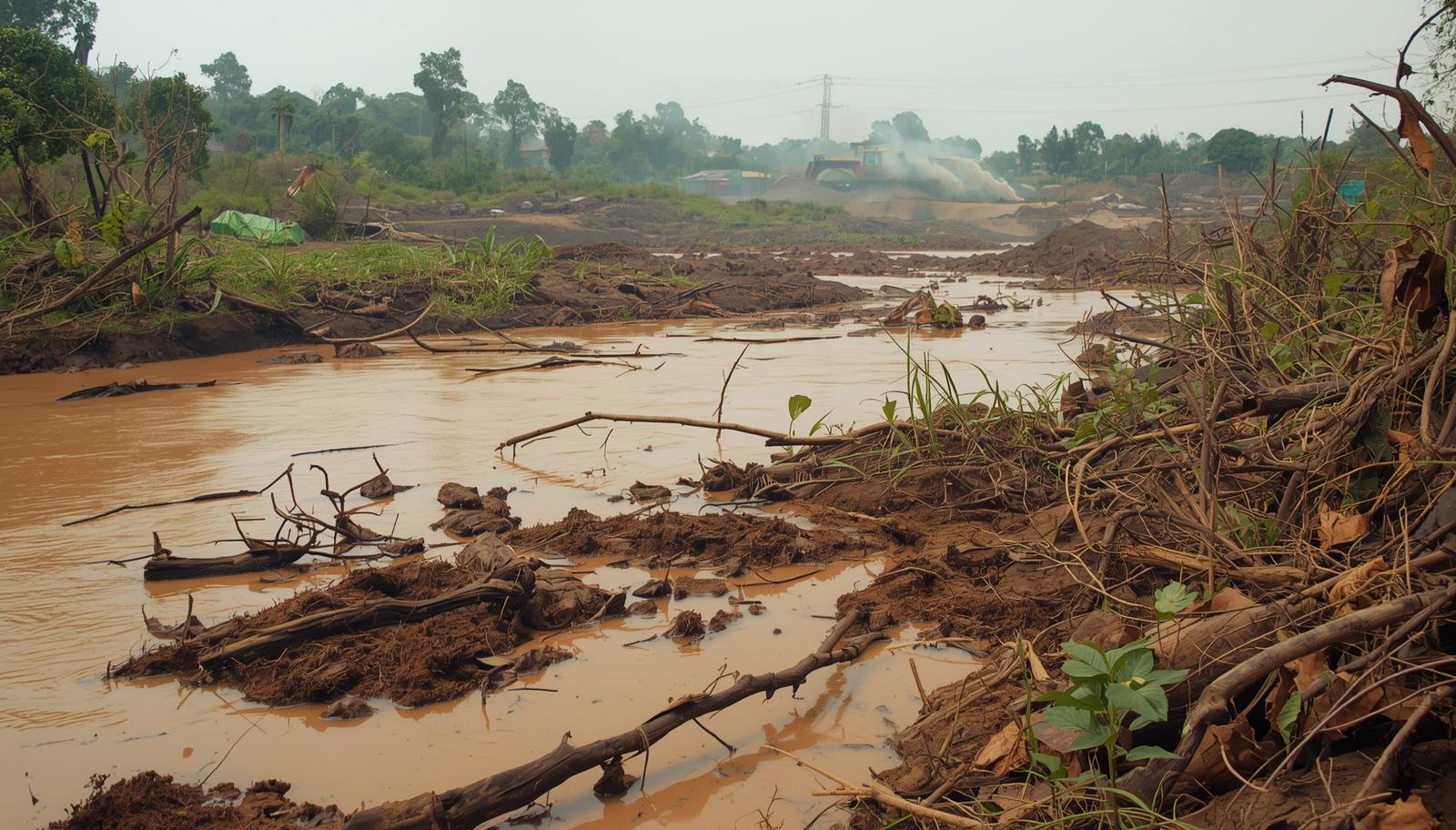
Ghana’s environmental crisis is no longer just about forests, rivers, or land degradation. It is increasingly about human health, especially the health of our children.
At the 2026 Annual General and Scientific Meeting of the Paediatric Society of Ghana in Koforidua, medical experts issued a sobering warning: climate change, pollution, and illegal mining (galamsey) are worsening child health outcomes across the country.
Doctors, nurses, policymakers, and civil society leaders gathered to discuss rising cases of asthma, congenital disorders, kidney disease, and other long-term health challenges affecting Ghanaian children. What emerged was a clear and unsettling message, environmental degradation is becoming a public health emergency.
When Environmental Damage Becomes a Health Crisis
According to health experts at the conference, air and water pollution linked to climate change and galamsey are driving a surge in respiratory illnesses and developmental complications. Children are presenting with severe asthma attacks, allergies, and heat-related conditions at unprecedented rates.
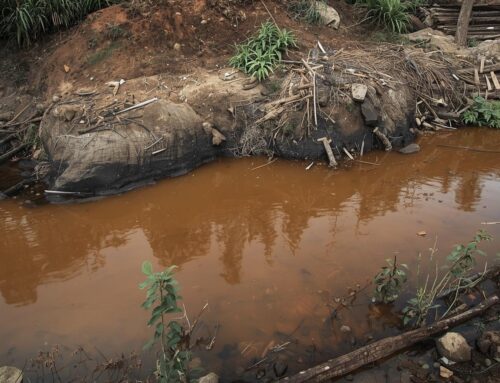
Even more alarming are the findings related to water pollution. Medical professionals revealed that an estimated 65% of Ghana’s water bodies are polluted with heavy metals, largely due to illegal mining activities. These pollutants do not disappear, they enter drinking water, food systems, and ultimately, human bodies.
Doctors reported cases of children born with severe congenital malformations, sometimes so serious that medical intervention becomes unavoidable. These are not isolated incidents. They are patterns linked directly to environmental stressors.
As one specialist noted, “This is an existential crisis destroying life in perpetuity.”
Science, Not Politics
Researchers from institutions such as the Kwame Nkrumah University of Science and Technology reinforced that these findings are grounded in scientific evidence, not political narratives. Studies into maternal health, congenital abnormalities, and rising stroke cases among younger adults all point toward prolonged exposure to pollution and environmental toxins.
The message from health professionals was clear: we cannot afford to politicise environmental health. Children’s lives, futures, and wellbeing are at stake.
Why This Matters Beyond Hospitals
Children represent Ghana’s future, our next generation of leaders, farmers, teachers, entrepreneurs, and caregivers. When environmental damage compromises their health, it threatens not just individual families, but the country’s long-term development.
Clean air, safe water, and healthy ecosystems are not luxuries. They are foundations for survival, dignity, and progress.
That is why experts are calling for a coordinated national response involving government, traditional leaders, faith groups, businesses, and everyday citizens. Environmental protection cannot be outsourced, it is a shared responsibility.
Soko Bags’ Perspective
At Soko Bags, sustainability is not an abstract concept. It is about protecting lives, communities, and futures.
Plastic pollution, unsustainable consumption, and environmental neglect all contribute to the same cycle of harm. When waste clogs waterways, when toxins seep into rivers, when ecosystems are destroyed, it is people, especially children, who pay the price.
Choosing reusable products may feel like a small action, but collective change always begins with everyday decisions. Reducing plastic waste, supporting sustainable businesses, and holding ourselves accountable are practical ways to reduce environmental pressure.
Moving Forward, Together
The warnings from Ghana’s paediatric health experts should serve as a wake-up call. Environmental protection is no longer just about conservation, it is about survival, health, and justice.
Protecting our rivers protects our children.
Protecting our land protects our future.
Protecting our environment protects life itself.
At Soko Bags, we remain committed to promoting responsible consumption and sustainable alternatives, because a healthier planet means healthier people.
And that is a future worth working for.

Leave A Comment