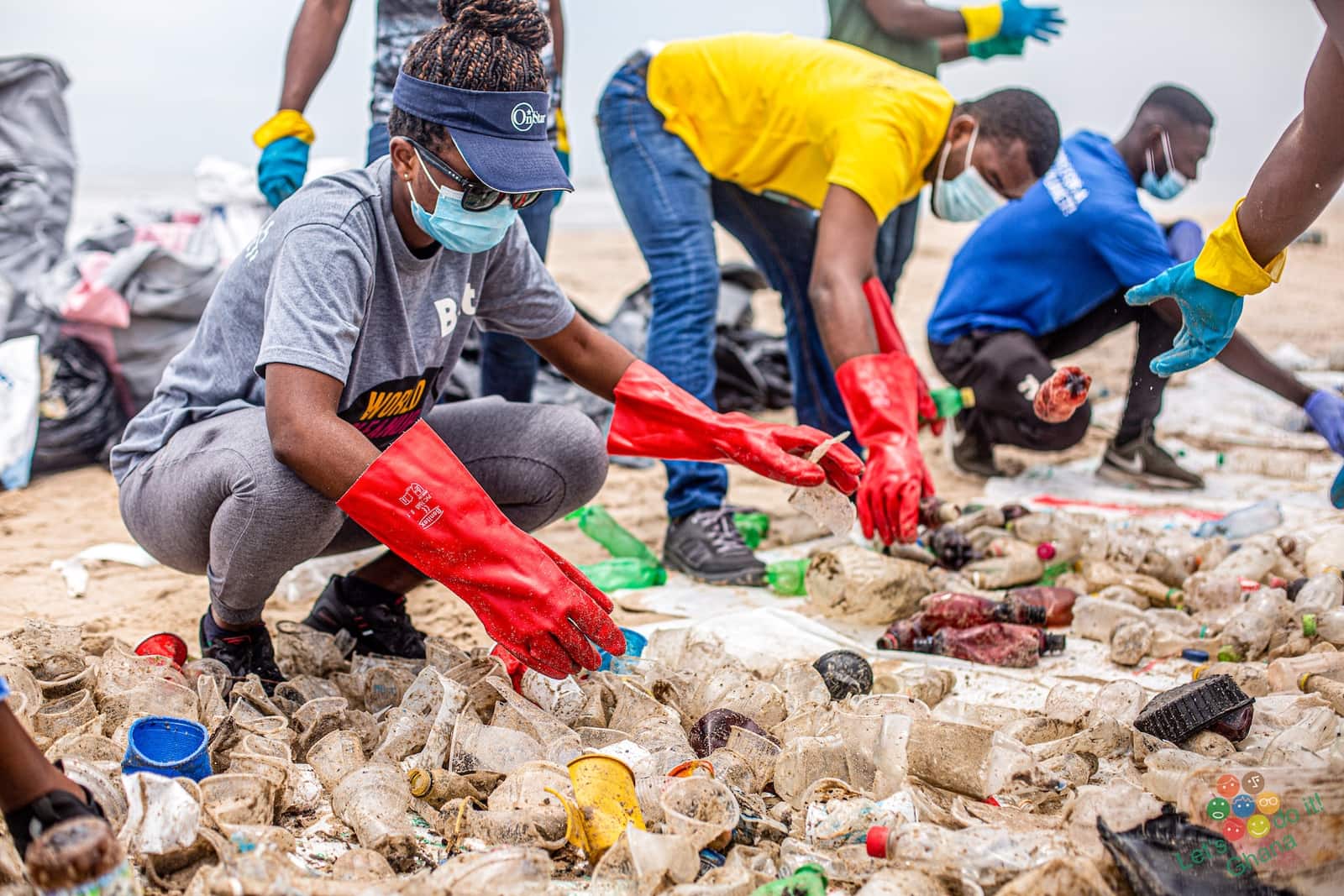
A clean street is a good thing.
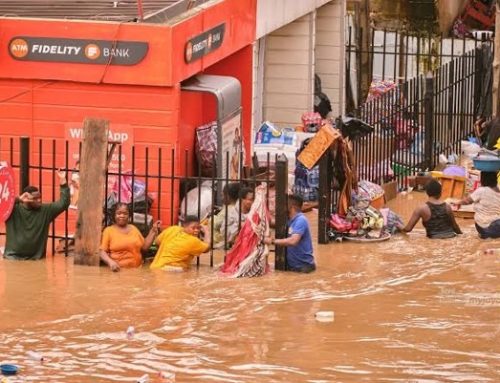
A cleared drain is a good thing.
A community coming together to collect plastic waste is a good thing.
But what happens after the cleanup?
More importantly, what happens before the waste is created?
As Ghana continues to confront plastic pollution and poor waste management, we need to move
beyond simply cleaning up what has already been discarded. We also need to ask how we can
create less waste in the first place.
The Waste Problem Is Bigger Than What We See
Waste management in Ghana is not only about rubbish lying on streets or plastics blocking
drains. It is also about what we buy, how products are packaged, how long those materials are
used, and what happens to them afterwards.
Plastic packaging, takeaway containers, bags and other single-use products can have a very short,
useful life, while creating environmental problems long after they are discarded.
Recent discussions on plastic pollution in Ghana have highlighted the need for stronger
collaboration, sustainable financing, producer responsibility and behavioural change. (Ghana News Agency)
This means solving Ghana’s waste challenge cannot depend on collection and cleanup alone. We
also must rethink what happens at the beginning of the chain.
Cleaning Up Is Important, But Prevention Matters Too
World Cleanup Day 2026 brought renewed attention to plastic pollution and the need to move
beyond simply collecting waste. The conversation also highlighted recycling, protecting water
bodies and collective responsibility. (Ghana News Agency)
Cleanup exercises are important because they help communities see the scale of the problem.
But imagine if some of the waste collected during those cleanups had never been created.
That is where waste prevention becomes important.
Choosing reusable products, reducing unnecessary packaging, separating waste and supporting
sustainable alternatives can help reduce the amount of waste entering our environment.
A cleaner Ghana therefore requires both better waste management and better consumption habits.
Rethinking the Way, We Package
Ghana is already beginning to have serious conversations about packaging.
The Environmental Protection Authority has been calling for stronger action on plastic pollution,
while Ghana prepares for the nationwide transition away from Styrofoam food packaging.
The Environmental Protection Authority promotes more environmentally friendly alternatives for packaging.
alternatives. (Ghana News Agency)
This changes the question from:
“How do we dispose of this?”
to:
“What could we use instead?”
Sustainable packaging is not simply about replacing one material with another. It is about
thinking about the entire life of a product.
Could it be reused?
Can it be recycled?
Can it last longer?
Could it reduce waste?
These are questions businesses increasingly need to consider when choosing packaging for their
customers.
Waste Segregation Starts with Us
Another important part of the solution is waste segregation.
In September, six Senior High Schools in Greater Accra began piloting a project focused on waste
segregation, organic waste recovery and clean-air practices. The initiative aims to build practical
environmental habits among students and their communities. (Ghana News Agency)
Mixing different materials makes recovery much harder.
together.
Sustainability does not always begin with a major technological breakthrough.
Sometimes, it begins with something as simple as separating our waste, carrying a reusable bag,
or making a more conscious purchasing decision.
The Role of Businesses
Businesses have an important role to play because they influence the materials and packaging that
enter the waste stream.
Before choosing packaging, businesses can ask:
• Does this packaging need to be disposable?
Could it be reused?
• Can customers use it again?
• Is there a more sustainable alternative?
These decisions may seem small, but when thousands of businesses make better packaging
choices, the collective impact can be significant.
Sustainable packaging can also become part of how a business communicates its values.
Customers increasingly notice not only what they buy, but also how it is packaged.
The Soko Bags Perspective
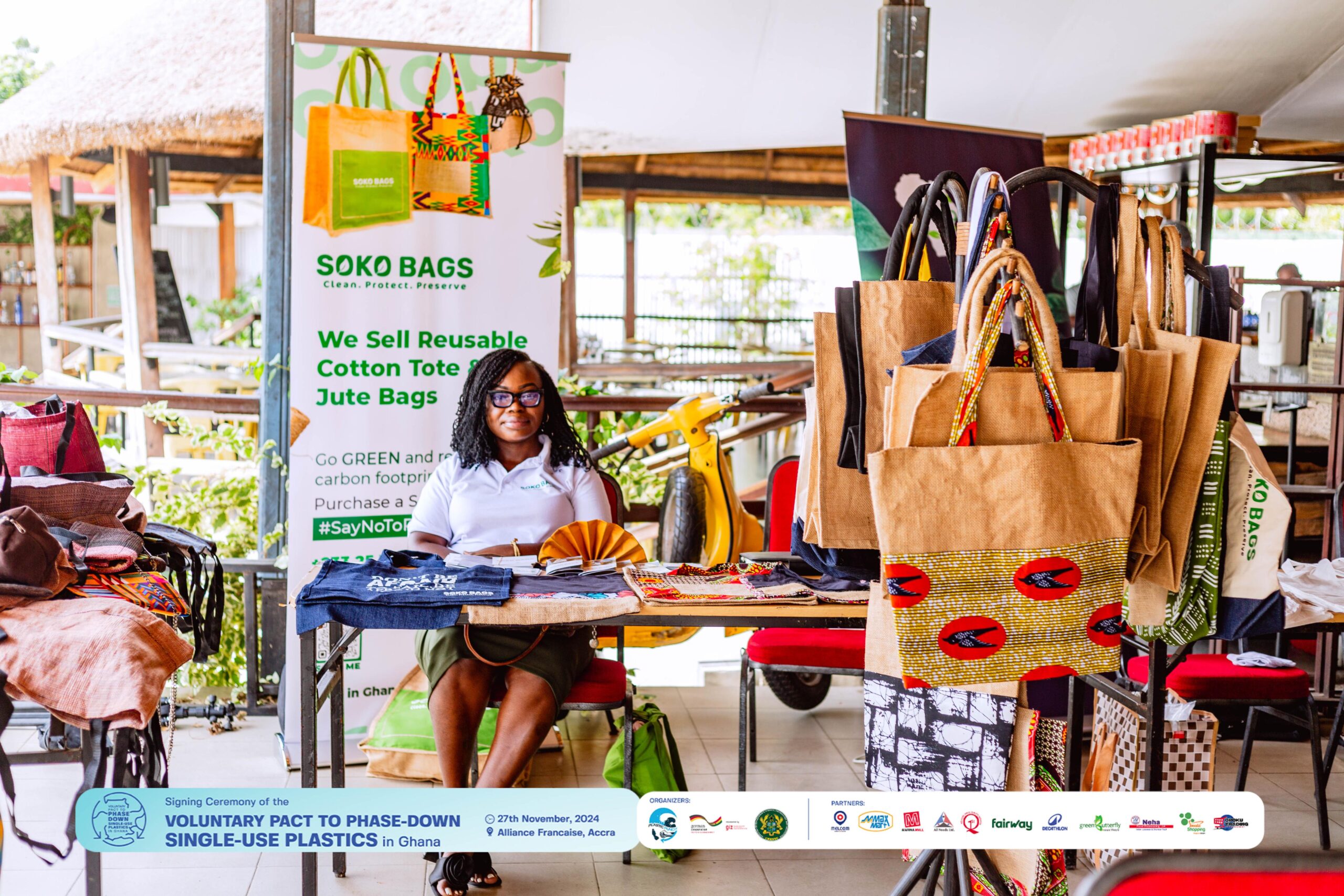
At Soko Bags, we believe sustainable packaging should be practical, reusable and designed with
the future in mind.
Our reusable cotton, jute and African-print bags give businesses alternatives to single-use
packaging while allowing customers to continue using the bags long after their original purchase.
We are also exploring innovative solutions such as banana-fiber biodegradable food packaging,
turning agricultural waste into useful packaging alternatives.
Through initiatives such as SokoSmart, we are exploring ways to encourage and measure reuse
because sustainability becomes more meaningful when we move from intention to action.
For us, the question is not simply:
“What can replace plastic?”
It is:
“How can we create packaging that people can use, value and keep in circulation?”
The Change Begins Before the Bin
Ghana’s waste challenge will not be solved by one clean up exercise, one business or one
individual.
It will require governments, businesses, schools, communities and consumers to rethink how we
produce, package, consume and dispose of products.
The next time we throw something away, perhaps we should ask:
Could I have reused it?
And the next time a business chooses packaging:
Does this packaging have a life beyond this one transaction?
Because a truly clean Ghana is not simply a Ghana that cleans up waste.
It is a Ghana that learns to create less waste in the first place.
At Soko Bags, we believe that future is possible, and it begins with the choices we make today.


Leave A Comment