
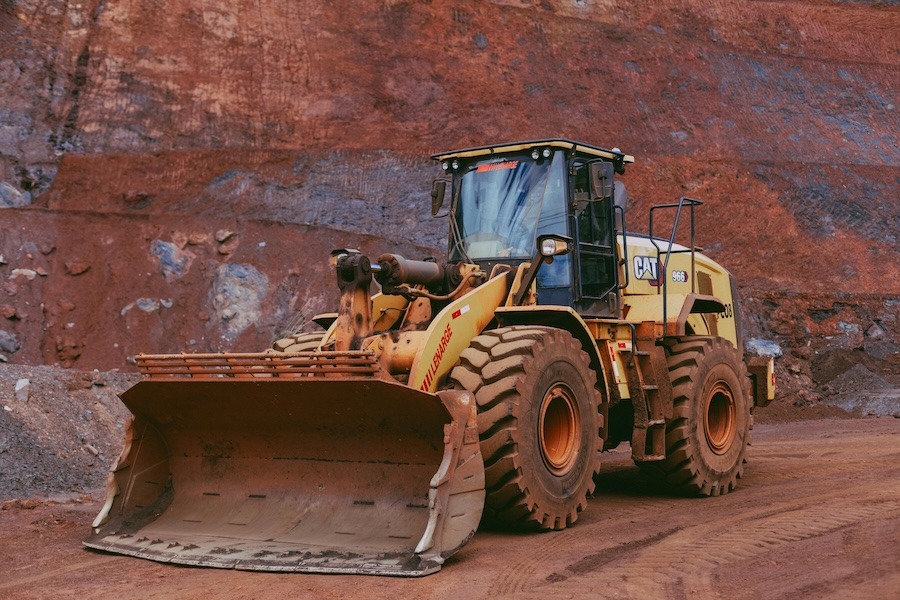
Ghana has taken a bold and much-needed step to protect its natural environment. In December 2025, the government officially banned mining in forest reserves, marking a major shift in national environmental policy and a renewed commitment to safeguarding forests, rivers, and farmlands.
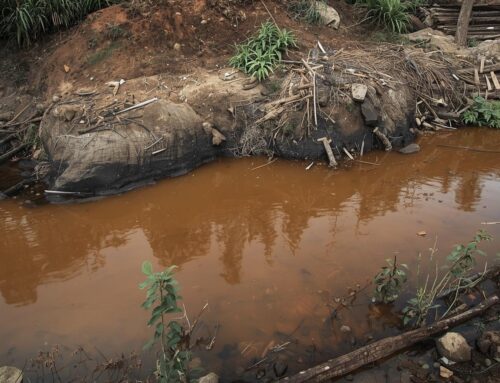
For years, uncontrolled and illegal small-scale mining, commonly known as galamsey, has caused widespread environmental destruction across the country. From polluted rivers and degraded forests to the destruction of cocoa farms, the impacts have been severe, threatening livelihoods, food security, and public health.
Why This Ban Matters
Forest reserves play a critical role in Ghana’s ecosystem. They protect water bodies that provide drinking water to communities, regulate rainfall and climate patterns, support agriculture including cocoa farming, and preserve biodiversity and natural heritage.
By repealing regulations that previously allowed controlled mining in forest reserves, Ghana now has stronger legal tools to stop deforestation, reduce water pollution, and protect farmlands for future generations.
As Acting Environment Minister Emmanuel Armah-Kofi Buah stated, “Healthy forests bring rainfall, protect our farms, and give life to our communities. Clean rivers secure our drinking water and our future.”
A Nationwide Environmental Challenge
Illegal mining now affects 13 out of Ghana’s 16 regions, including key cocoa-growing areas in Ashanti, Western, and Eastern regions. Even large, regulated mining companies have reported frequent incursions by illegal miners, forcing them to invest heavily in security, surveillance, and community engagement.
While the ban is a powerful step forward, environmental advocates agree it is not a complete solution. Long-term success will require strong enforcement of laws, community-led forest protection, sustainable livelihood alternatives, and a national forest restoration and development programme.
What This Means for Sustainability in Ghana
This policy change signals a growing national awareness that economic development must not come at the cost of environmental destruction. Protecting forests and water systems is essential not just for today, but for generations to come.
Soko Bags’ Commitment
At Soko Bags, we believe that sustainability starts with everyday choices. From reducing plastic waste to promoting reusable, eco-friendly alternatives, our mission aligns with broader efforts to protect Ghana’s environment.
Government action is important, but individual and business responsibility matters too. Supporting local sustainability initiatives, reducing waste, and choosing environmentally responsible products all play a role in protecting our forests, rivers, and communities.
Together, through policy, community action, and conscious consumer choices, we can help build a greener, healthier Ghana.


Leave A Comment