
Ghana has unveiled an ambitious $3.4 billion renewable energy investment plan aimed at transforming its power sector and positioning the country as a clean-energy leader in Africa. Announced in December 2025 at the 3rd Renewable Energy Forum Africa in Accra, the five-year strategy signals a strong commitment to sustainable development, energy access, and climate action.
The plan focuses on expanding clean power generation while attracting private-sector investment to support long-term economic growth. According to the Ministry of Energy and Green Transition, the initiative is designed to unlock Ghana’s renewable energy potential and reduce reliance on fossil fuels.
What the Plan Includes
Ghana’s renewable energy roadmap targets several key areas:
- Installation of 1,400 megawatts of renewable energy capacity
- Deployment of 400 mini-grids to bring electricity to underserved and rural communities
- Rollout of over 100 fast-charging stations across the country
- Expansion of solar-powered water pumping systems to support agriculture and rural livelihoods
These initiatives are expected to improve energy access, strengthen energy security, and create new green jobs.
Progress Already Underway
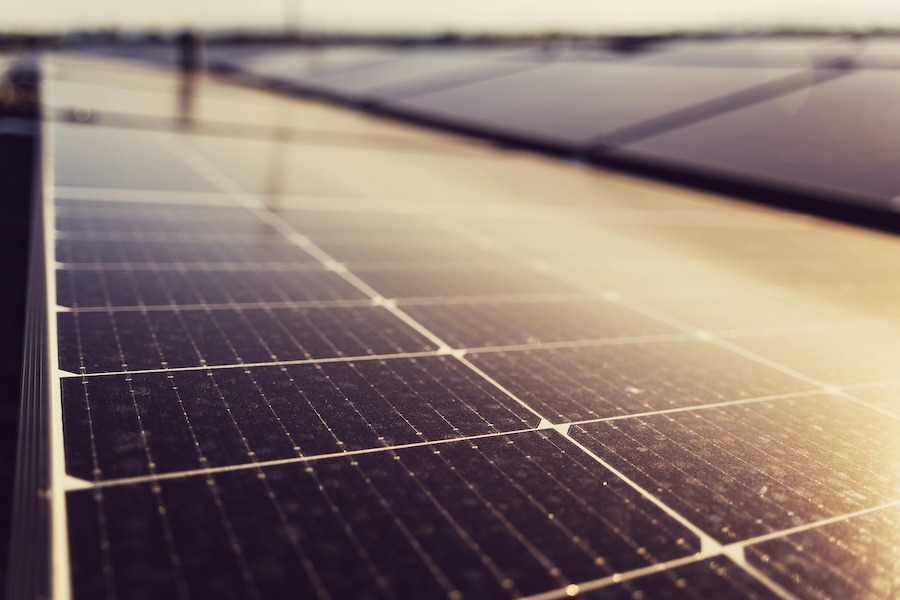
Ghana has already made notable strides in renewable energy development. The country is home to Africa’s largest single rooftop solar installation, a 16.8MW facility, and recently inaugurated a 200MW solar power plant. Plans are in place to expand this plant to 1,000MW by 2032, further strengthening Ghana’s clean energy capacity.
These developments reflect a growing recognition that sustainable energy is essential for economic resilience and environmental protection.
A Broader African Energy Challenge
Despite Africa’s vast solar, wind, and hydro resources, more than 600 million people across the continent still lack access to electricity. Ghana’s renewable energy drive speaks to a wider continental challenge and the urgent need for collaboration across African nations to close the energy access gap.
Expanding clean energy is not only about reducing emissions — it is about powering schools, hospitals, businesses, and communities while supporting sustainable growth.
Why This Matters for Sustainability
Clean energy plays a critical role in protecting the environment by reducing air pollution, lowering carbon emissions, and limiting climate-related risks. For countries like Ghana, renewable energy also supports agriculture, water security, and inclusive development.
By investing in solar power, mini-grids, and green technologies, Ghana is laying the foundation for a future where economic progress and environmental responsibility go hand in hand.
Soko Bags’ Perspective
At Soko Bags, sustainability goes beyond products — it is about supporting systems that protect our environment and improve lives. A cleaner energy future complements efforts to reduce waste, cut pollution, and promote responsible consumption.
Ghana’s renewable energy drive is a reminder that meaningful change happens when governments, businesses, and individuals work together. Choosing reusable products, supporting green initiatives, and making conscious daily decisions all contribute to a healthier planet.
As Ghana moves toward a low-carbon future, every action — big or small — helps power a more sustainable tomorrow.



Leave A Comment