
A Wake-Up Call from the Floods
In late June 2026, heavy rains swept across Accra and several regions of Ghana, leaving
homes submerged, roads impassable, and families displaced. Beyond the devastation of the
floodwaters themselves, one truth became undeniable: poor waste management made the
disaster worse. Plastic bags, bottles, and disposable packaging clogged drains and waterways,
turning rainfall into catastrophe.
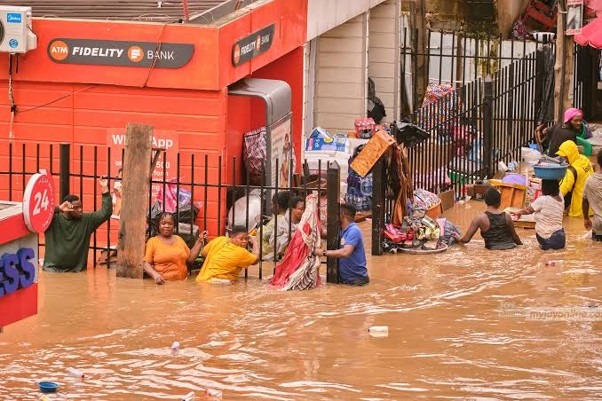
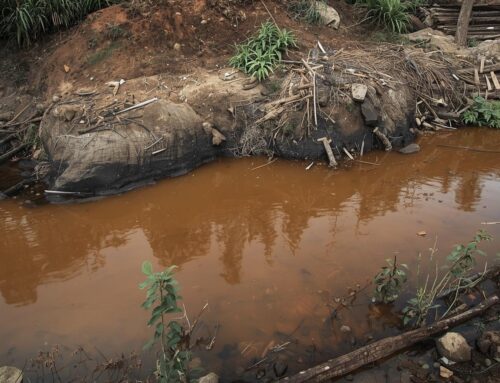
Floodwaters in Accra highlight the impact of poor waste management
The government responded swiftly, declaring National Cleaning Days on July 10–11 across
seven flood-hit regions. Citizens, businesses, and institutions were mobilized to desilt drains,
clear refuse, and restore sanitation under the theme “Our Actions, Our Future: Cleaning
Ghana after the Floods.” This collective effort was a reminder that environmental resilience
is not only about infrastructure, but also about everyday choices.
Waste, Packaging, and Everyday Consumption
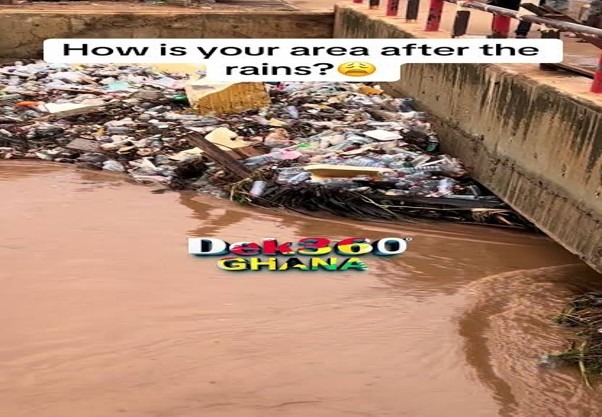
Plastic bottles and bags clogging drains after rainfall, a clear link between waste and flooding.
The floods revealed a deeper crisis: Ghana’s dependence on single-use plastics and
disposable packaging. Every sachet, bag, and wrapper discarded carelessly contributes to
blocked drains, polluted rivers, and rising health risks.
• Plastic waste accumulates in gutters, worsening floods.
• Disposable packaging overwhelms landfills and communities.
• Poor segregation makes recycling and recovery nearly impossible.
This is not just a sanitation issue. It is a consumption issue, and a reflection of how our daily
habits shape national resilience
This is not just a sanitation issue. It is a consumption issue a reflection of how our daily
habits shape national resilience.
Preventive Measures: To avoid future disasters, Ghana must prioritize waste segregation,
recycling, and responsible disposal. Citizens can adopt reusable bags instead of single-use
plastics, while businesses can shift toward eco-friendly packaging solutions. Community
clean-ups, stricter enforcement of plastic bans, and sustainable consumption habits are all
preventive steps that reduce pollution and strengthen resilience.
Why Rethinking Packaging Matters
Globally, businesses and governments are rethinking packaging as part of climate and
disaster preparedness. For Ghana, sustainable packaging is not a luxury; it is a necessity. By
reducing single-use plastics, we can:
• Keep drains clear and reduce flood risk.
• Lower greenhouse gas emissions from unmanaged waste.
• Improve public health by cutting pollution.
• Create green jobs in recycling and eco-production.
Reusable jute bags, cotton totes, and other eco-friendly packaging alternatives are not just stylish, but they are preventive measures that reduce plastic waste and keep waterways
flowing. By choosing sustainable options, households and businesses contribute directly to
disaster preparedness.
The Soko Bags Perspective
At Soko Bags Ltd, we believe the most effective solution is to prevent waste before it is
created.
• Our reusable cotton, jute, and African print bags help businesses and communities
reduce dependence on single-use plastics.
• Through SokoSmart, our QR-enabled tracking platform, every reuse is measured and
rewarded, ensuring accountability and long-term behavior change.
• Our expansion into banana fiber biodegradable food packaging turns agricultural
waste into eco-friendly alternatives, supporting farmers while reducing plastic
reliance.
By combining innovation with responsibility, we are helping Ghana build resilience against
both environmental and social challenges.
Building a Resilient Ghana Together
The floods remind us that waste is not just an environmental issue, it is a national resilience
issue. Every citizen, business, and institution has a role to play:
• Choose reusable packaging.
• Support eco-friendly businesses.
• Participate in community clean-ups.
• Hold ourselves accountable for everyday consumption.
At Soko Bags, we remain committed to supporting Ghana’s journey toward sustainability.
Together, we can move beyond the “take, make, dispose” model and build a future where
waste is minimized, drains flow freely, and sustainability protects both people and
planet.


Leave A Comment