
Indeed, Christmas is a season of giving, shopping, family gatherings and celebration. But as we prepare to make the season special, how often do we think about the waste our celebrations leave behind?
As a result, the festive season can generate waste from shopping bags, gift wrappers, disposable plates, food containers and packaging. Moreover, in Ghana, where plastic pollution and waste management remain important environmental concerns, the way we celebrate deserves more thought.
A greener Christmas does not mean giving up the excitement or generosity of the season. It means making more thoughtful choices about what we buy, how we package our gifts and what happens to the materials we use after the celebrations.
This Christmas, perhaps it is time to rethink how we give, shop and package.
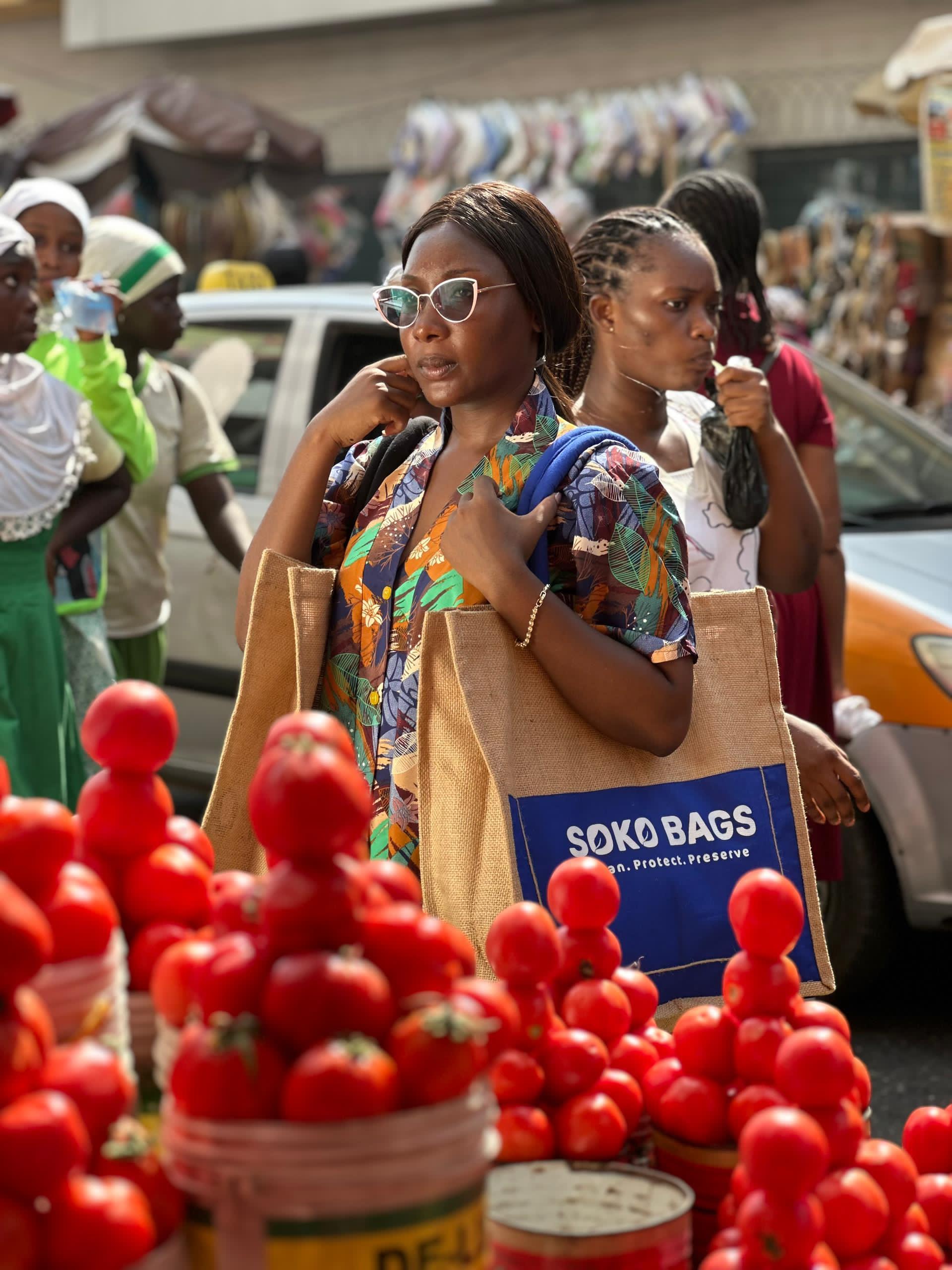
Sustainable Christmas shopping in Ghana with reusable bags and eco-friendly gift packaging.
- Christmas Shopping: Choose More Thoughtfully
Christmas shopping is one of the most exciting parts of the festive season. Markets and shopping centres become busy as people search for gifts, clothing, food and decorations.
However, the excitement can sometimes encourage unnecessary purchases and excessive packaging.
A more sustainable Christmas begins with intentional shopping. Consider whether you genuinely need it, whether it will last, and whether it comes with unnecessary packaging.
Where possible, consider supporting locally made products. Buying from Ghanaian businesses and artisans helps support local livelihoods and strengthens local industries.
Another simple habit is carrying a reusable shopping bag. Instead of collecting new carrier bags every time you shop, take a cotton, jute or other durable bag with you. You can use the bag for groceries, gifts and everyday purchases long after Christmas.
- Gift-Giving: Make the Thought Count, Not the Packaging
Giving gifts is one of the most meaningful Christmas traditions. Yet, sometimes, the packaging creates almost as much waste as the gift itself.
People quickly accumulate gift boxes, wrapping paper, ribbons, and plastic coverings, especially when they use them once and discard them.
Beautiful gift presentation does not have to involve excessive materials. Consider these alternatives:
- Cotton and jute bags provide attractive packaging and stay useful long after someone unwraps the gift.
- Reusable gift boxes: Give good-quality boxes from previous purchases a second life.
- Thoughtful wrapping: Explore recyclable paper or fabric wrapping.
- Less packaging: Avoid unnecessary layers of wrapping and decoration.
- Long-lasting gifts: Choose practical, durable and locally made products where possible.
We can present a gift beautifully while remaining mindful of the environment.
- Food and Christmas Gatherings: Reduce Waste
Food is at the heart of many Ghanaian Christmas celebrations. Families prepare special meals; churches organise events and caterers serve customers throughout the season.
These activities often involve disposable plates, cups, cutlery and takeaway containers. Food waste can also increase when meals are prepared in quantities that exceed what guests can consume.
A few simple changes can make a difference. Use reusable plates and cutlery whenever practical, plan meals according to the number of guests, store leftovers properly and share surplus food where appropriate.
For caterers and food businesses, the festive season is also an opportunity to review their packaging choices. Packaging should protect food and serve customers effectively without creating unnecessary waste.
- Businesses: Make Sustainable Packaging Part of the Christmas Experience
Christmas is an important season for retailers, restaurants, gift shops, hotels and other businesses. Packaging plays a role in how customers experience a brand: it protects products, carries purchases and contributes to presentation.
Businesses can use this opportunity to make more thoughtful packaging choices.
Retailers can offer reusable shopping bags, gift shops can introduce fabric gift bags, and companies can use customised bags for corporate gifts and promotional packages.
Reusable packaging can continue serving customers beyond the initial purchase. A branded cotton or jute bag, for example, may be used for shopping, carrying personal items or storing products.
Sustainable packaging should, however, be practical. Businesses need to consider durability, availability, cost and customer needs when choosing alternatives.
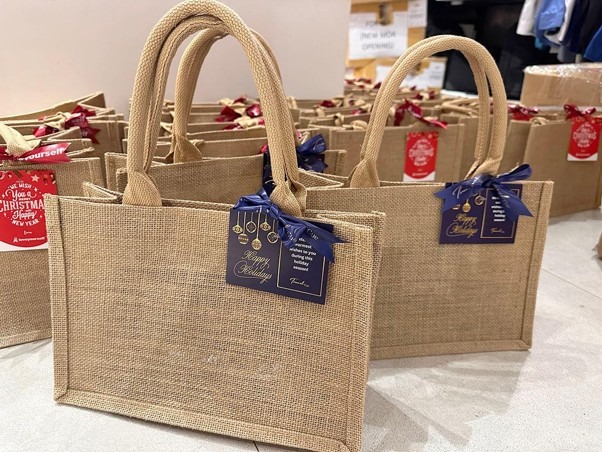
Reusable cotton and jute bags for sustainable Christmas gifts and business packaging.
- Decorations: Give Everyday Items a Second Life
Christmas decorations create the atmosphere we look forward to every year. But buying new decorations every season is not always necessary.
Before purchasing more, consider what you already have. Decorations can often be reused, repaired or given a new look. Glass jars, fabric pieces, paper materials and other household items can also be transformed into creative decorations.
After the celebrations, store decorations carefully so they can be used again next year. Small habits like these help reduce unnecessary purchases and waste.
How Soko Bags Is Encouraging Reusable Packaging
At Soko Bags, we believe packaging should do more than carry a product. It should serve a purpose, offer value and, where possible, remain useful beyond a single transaction.
Through our reusable cotton, jute and African-print bags, we provide individuals and businesses with packaging options that can be used repeatedly. Our bags can be customised for retail shopping, corporate gifts, promotional activities, events and other packaging needs.
We believe reusable packaging offers an opportunity to rethink the relationship between businesses, customers and the products they use every day.
As the festive season approaches, we encourage individuals and businesses to consider how their shopping and packaging choices can contribute to a more responsible way of celebrating.
A Christmas Worth Celebrating, A Future Worth Protecting
A sustainable Christmas does not require dramatic changes. It begins with everyday decisions: carrying a reusable shopping bag, supporting local businesses, reducing unnecessary packaging, reusing decorations and making thoughtful choices about what we consume.
Individually, these actions may seem small. But when households, businesses and communities adopt them, they can contribute to a wider culture of responsible consumption.
This Christmas, as we exchange gifts, prepare meals and celebrate with loved ones, let us remember that the way we celebrate today also shapes the world we leave behind.
A greener Christmas is not about having less joy. It is about creating more value, wasting less and making choices that matter beyond the festive season.
SOKOBAGS – Clean. Protect. Preserve.




Leave A Comment